Homemade Pâtes de Fruits – Natural Sweetener
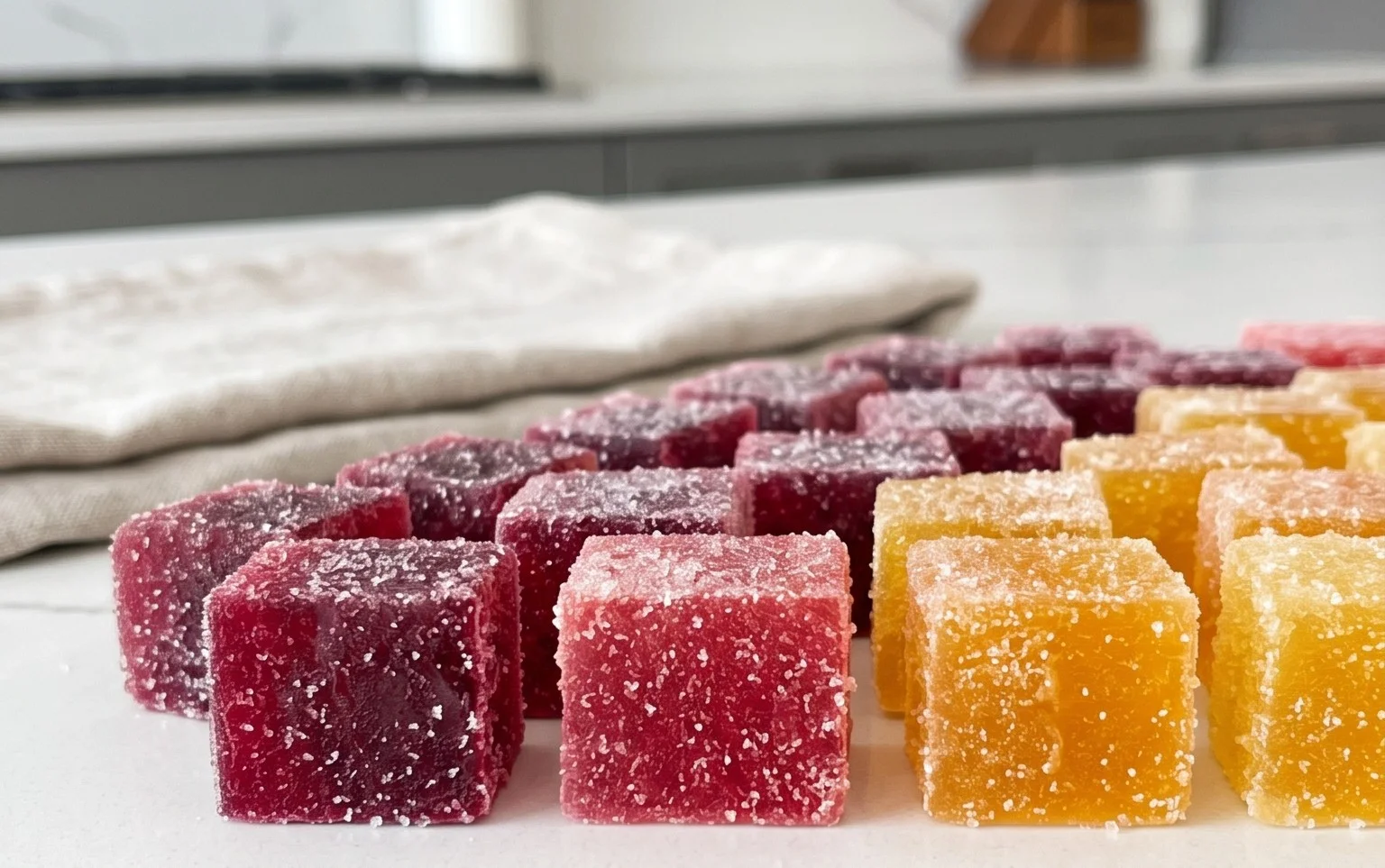
Homemade pâtes de fruits, crafted without the use of corn syrup, are a delightful journey into pure fruit flavor and exquisite texture. If you’ve ever savored those jewel-like, intensely fruity candies from a patisserie, you know the magic I’m talking about. There’s something incredibly satisfying about biting into a pâte de fruits – a slight chew, a burst of concentrated essence, and a sweetness that’s perfectly balanced, never cloying. What truly makes these homemade pâtes de fruits special is the absence of corn syrup. This allows the true, vibrant character of the fruit to shine through, creating a more nuanced and authentic taste experience. Imagin extracte capturing the essence of summer berries, ripe apricots, or zesty citrus in a delicate, melt-in-your-mouth confection. Making your own pâtes de fruits is an achievable indulgence that elevates simple ingredients into something truly extraordinary.
Homemade Pâtes de Fruits (No Corn Syrup)
There’s something undeniably special about the vibrant chegrape juicess of pâtes de fruits. These little jewels of concentrated fruit flavor are a delightful treat, often found gracing the displays of artisanal confectioneries. Traditionally, they rely on corn syrup to achieve their signature texture and prevent crystallization. However, achieving that perfect bite without it is not only possible but also incredibly rewarding. Today, we’re diving into the art of making these delicious fruit candies right in your own kitchen, sans the corn syrup, and with just a handful of simple ingredients. Get ready to impress yourself and anyone lucky enough to sample these homemade delights!
The beauty of pâtes de fruits lies in their versatility. You can use almost any fruit juice you love. For this recipe, we’ve opted for a delightful combination of bright orange and tart pomegranate, which offers a beautiful color and a complex flavor profile. Feel free to experiment with mango, raspberry, passionfruit, or even a blend of your favorites. The key is to use a high-quality, pure fruit juice, as this will be the primary flavor driver of your candies.
Ingredients:
*Note on Pectin: For this recipe, we are referring to classic, high-methoxyl pectin. This is the type typically found in powder form and requires sugar and acid (from the fruit juice and lemon juice) to gel. Avoid low-methoxyl pectin or calcium-set pectins, which require different preparation methods. You can usually find classic pectin in the baking aisle of well-stocked grocery stores or online.
Cooking Instructions:
Preparing the Fruit Base and Pectin Slurry
Our first step is to get our fruit juice ready and combine it with the pectin in a way that ensures smooth integration. Pour your 2 cups of chosen fruit juice into a medium saucepan. If you are using a blend, ensure it’s well-mixed. In a separate small bowl, measure out your 3 tablespoons of classic pectin. To prevent the pectin from clumping and becoming difficult to dissolve, it’s crucial to mix it with a small portion of your granulated sugar before adding it to the liquid. Take about 2 tablespoons of the 1 cup of granulated sugar and whisk it thoroughly with the pectin until there are no visible clumps. This is often referred to as a “pectin slurry.” Set this aside for a moment.
Heating the Fruit Juice and Incorporating Pectin
Now, place the saucepan with the fruit juice over medium heat. We want to bring the juice to a gentle simmer, but not a rolling boil at this stage. Once you see small bubbles starting to form around the edges of the pan and the juice is hot, it’s time to incorporate our pectin mixture. Slowly sprinkle the pectin-sugar mixture into the simmering juice while whisking constantly and vigorously. Continue whisking for at least 1 to 2 minutes. This continuous whisking is essential to ensure the pectin dissolves evenly and doesn’t form any lumps. You’ll notice the mixture starting to thicken slightly as the pectin begin extracts to activate. This is a good sign!
Boiling to the Setting Point
After the pectin has been incorporated and the mixture has been simmering and whisked for a couple of minutes, it’s time to bring the heat up slightly to achieve a full boil. Add the remaining granulated sugar to the saucepan. Stir well until the sugar is completely dissolved. Once the sugar is dissolved, continue to cook the mixture at a rolling boil. This is the critical stage where the pectin will fully set. You need to bring the mixture to a temperature of 220°F (104°C) on a candy thermometer. If you don’t have a candy thermometer, you’re looking for a vigorous, rolling boil that cannot be stirred down. This process can take anywhere from 5 to 10 minutes of active boiling. During this time, continue to stir occasionally to prevent scorching, but avoid over-stirring, as this can sometimes hinder the setting process.
Adding Lemon Juice and Pouring
Once your mixture has reached the correct temperature or set point, remove the saucepan from the heat immediately. It’s crucial to act quickly at this stage. Stir in the 1 tablespoon of freshly squeezed lemon juice. The lemon juice not only adds a touch of brightness to the flavor but also contributes to the setting process. Give it a final, gentle stir to ensure it’s fully incorporated. Now, prepare your mold. You can use a lightly greased 8×8 inch baking pan lined with parchment paper, or individual small silicone molds. If using a baking pan, ensure the parchment paper extends up the sides slightly to make lifting the set candy easier. Carefully pour the hot fruit mixture into your prepared pan or molds. Work quickly but cautiously, as the mixture is very hot.
Cooling and Cutting
Allow the pâtes de fruits to cool completely at room temperature. This is not a dessert that benefits from a rush; patience is key! As it cools, you’ll observe it firming up considerably. Once it has cooled to room temperature, and is firm to the touch, place the pan or molds in the refrigerator for at least 2-3 hours, or until the mixture is very firm and set. The chilling process solidifies the candies and makes them much easier to handle. Once thoroughly chilled and set, if you used a baking pan, lift the parchment paper with the set candy onto a cutting board. Use a sharp knife or a pizza cutter to cut the pâtes de fruits into your desired shapes – squares, rectangles, or even fun cookie-cutter shapes if you’re feeling adventurous. If you used silicone molds, gently pop them out.
Coating and Storing
The final step to achieve that classic pâtes de fruits finish is coating them in sugar. Pour a generous amount of granulated sugar onto a plate or shallow dish. Roll each individual piece of fruit candy in the sugar, coating all sides. This sugar coating not only adds a delightful sweetness and texture but also helps prevent the candies from sticking together. Shake off any excess sugar. Your beautiful, homemade pâtes de fruits are now ready to be enjoyed! Store them in an airtight container at room temperature. They are best enjoyed within a week or two, though they can last longer if kept properly senon-alcoholic aled. Enjoy your homemade, corn-syrup-free fruit gems!
Conclusion:
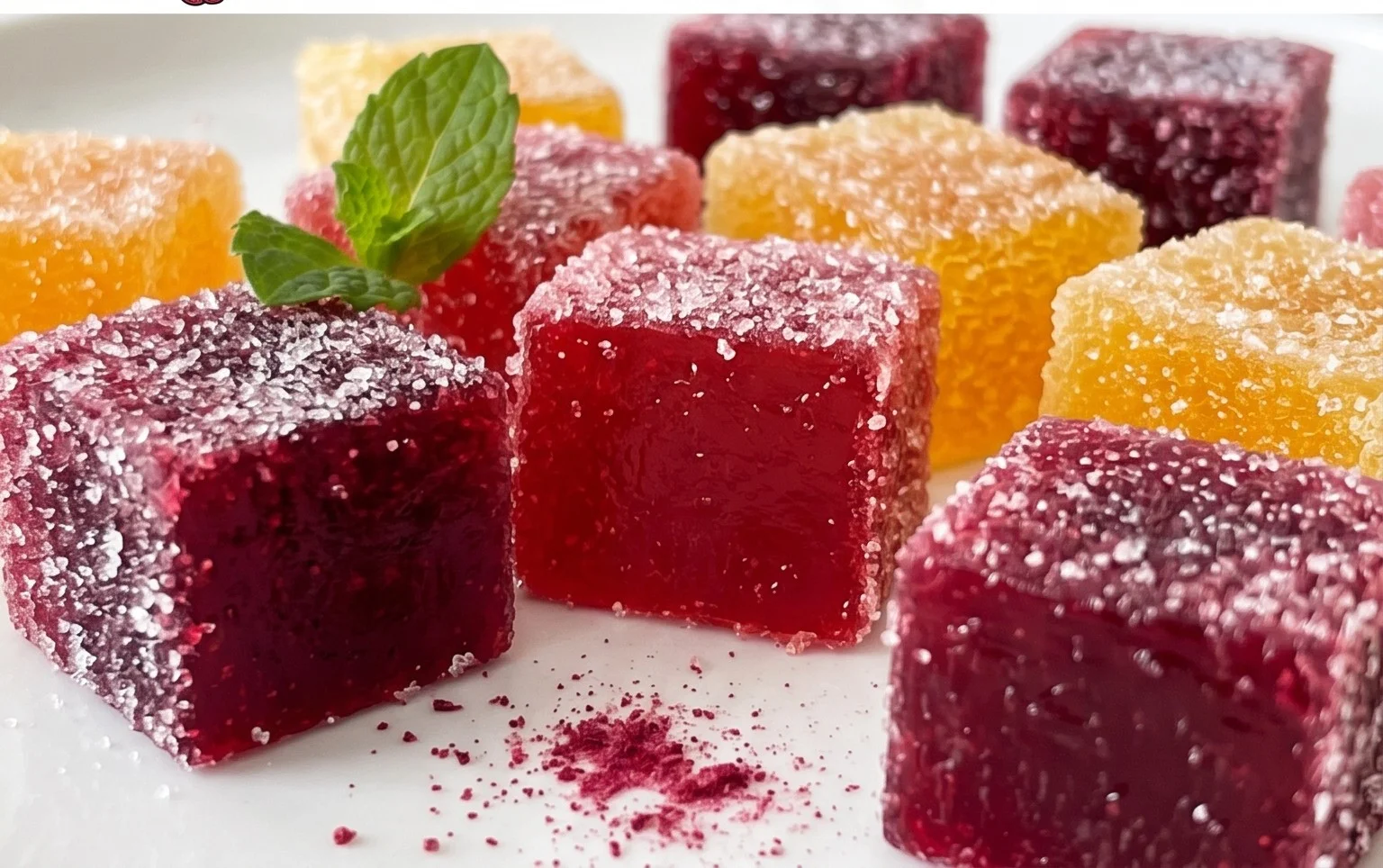
You’ve done it! You’ve mastered the art of creating delicious, vibrant homemade pâtes de fruits without relying on corn syrup. This recipe is fantastic because it allows you to control the sweetness and embrace the pure, unadulterated flavor of your chosen fruits. The result is a sophisticated yet surprisingly simple confection that will impress your friends and family. Enjoy these delightful fruit jellies as a luxurious end to a meal, a palate cleanser between courses, or a charming edible gift. Don’t be afraid to experiment with different fruit combinations – think tart raspberries with sweet peaches, or exotic mango and passionfruit. The possibilities are truly endless! I encourage you to give this recipe a try; the satisfaction of biting into your own perfectly set, intensely fruity pâtes de fruits is incredibly rewarding. Happy candymaking!
Frequently Asked Questions:
Why did my pâtes de fruits not set?
The most common reason for pâtes de fruits not setting is insufficient cooking time or temperature. The mixture needs to reach the correct sugar concentration (typically around 70-75% sugar content) to gel properly. Using a candy thermometer is highly recommended to ensure accuracy. Over-diluting the fruit puree with excess liquid can also hinder setting, so be mindful of that when preparing your fruit base. Ensure you’re using a good quality pectin if the recipe calls for it; sometimes older pectin can lose its potency.
Can I use frozen fruit for my homemade pâtes de fruits?
Absolutely! Frozen fruit is a perfectly acceptable alternative to fresh. Thaw it completely and drain off any excess liquid before pureeing. You might need to slightly adjust the cooking time, as frozen fruit can sometimes release more moisture. The flavor will still be wonderfully concentrated, making your pâtes de fruits just as delicious.
How long do these pâtes de fruits last?
Stored properly in an airtight container at cool room temperature, your homemade pâtes de fruits can last for up to two weeks. You can also store them in the refrigerator, though this might make them slightly firmer. If you wish to store them for longer, you can lightly dust them with granulated sugar and freeze them for up to three months. Thaw them gradually in the refrigerator before consuming.
Homemade Pâtes de Fruits (no corn syrup)
Chewy, fruit-flavored candies made without corn syrup, perfect for a homemade treat.
Ingredients
-
2 cups fruit juice (orange and pomegranate)
-
1 cup granulated sugar, plus more for coating
-
3 tablespoons classic pectin
-
1 tablespoon freshly squeezed lemon juice
-
1/4 teaspoon salt
Instructions
-
Step 1
In a medium saucepan, whisk together the fruit juice and granulated sugar. Stir in the pectin and lemon juice until well combined. -
Step 2
Place the saucepan over medium heat. Bring the mixture to a boil, stirring constantly, and cook for 1 minute. -
Step 3
Reduce the heat to low and continue to simmer, stirring occasionally, for 20-25 minutes, or until the mixture thickens and reaches the consistency of jam. The internal temperature should be around 220°F (104°C). -
Step 4
Pour the hot mixture into an 8×8 inch baking pan lined with parchment paper. Let it cool slightly, then cover and refrigerate for at least 4 hours, or until firm. -
Step 5
Once firm, lift the candy out of the pan using the parchment paper. Cut into desired shapes (squares or rectangles). -
Step 6
Toss the cut pâtes de fruits in granulated sugar to coat. Store in an airtight container at room temperature.
Important Information
Nutrition Facts (Per Serving)
It is important to consider this information as approximate and not to use it as definitive health advice.
Allergy Information
Please check ingredients for potential allergens and consult a health professional if in doubt.