Easy Chimichurri Sauce Recipe – Fresh Flavor
Chimichurri sauce recipe perfection is closer than you think! This vibrant, herbaceous condiment isn’t just a sauce; it’s an experience. Origin extractating from Argentina and Uruguay, chimichurri has captured hearts and taste buds worldwide with its intensely fresh and zesty flavor profile. Forget those store-bought versions that lack the punch; making your own chimichurri sauce recipe from scratch unlocks a symphony of taste that transforms even the simplest grilled steak into a culinary masterpiece. What makes this sauce so special? It’s the perfect balance of tangy vinegar, pungent garlic, aromatic parsley and oregano, and a subtle kick of chili. It’s the secret weapon that elevates barbecue, roasted vegetables, and even sandwiches. I can’t wait to share my go-to chimichurri sauce recipe with you, guaranteed to impress!
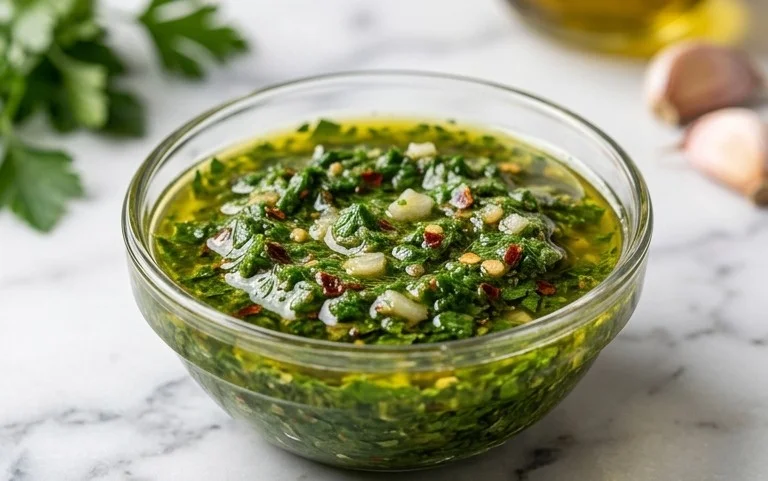
Chimichurri Sauce Recipe
There’s something incredibly vibrant and invigorating about a well-made chimichurri sauce. It’s a versatile condiment that can instantly elevate grilled meats, roasted vegetables, and even serve as a zesty salad dressing. Hailing from Argentina and Uruguay, this herbaceous, garlicky, and slightly tangy sauce is surprisingly simple to make, requiring no cooking at all, just a good chop and a bit of whisking. It’s the perfect accompaniment to a summer barbecue, a weeknight steak, or even just some crusty bread. The beauty of chimichurri lies in its freshness; the bright herbs and pungent garlic create a flavor explosion that cuts through richness and adds a delightful zing. Forget store-bought versions; this homemade recipe is so much better, and you control the quality of your ingredients. Let’s dive into creating this magical green sauce!
Ingredients:
Making Your Chimichurri Sauce: Step-by-Step
The process of making chimichurri is refreshingly straightforward, focusing on fresh ingredients and a good chop. You can achieve a beautiful texture either by hand for a more rustic feel, or with the help of a food processor for a smoother, quicker result. I prefer a slightly chunky texture, as it allows the individual flavors of the herbs to shine through.
Step 1: Preparing the Herbs and Aromatics
The foundation of any great chimichurri is fresh, high-quality herbs. Start by thoroughly washing your parsley, cilantro, and oregano. Gently pat them dry with a clean kitchen towel or use a salad spinner. This is a crucial step as excess water can dilute the flavor of your sauce and affect its shelf life. Next, we need to de-stem the herbs. For the parsley and cilantro, simply run your fingers down the stems to strip the leaves. For the oregano, the leaves are usually small enough to be used whole, but if they are particularly large, you can give them a rough chop. The goal is to remove any tough, fibrous stems that can add bitterness. Once you have your beautifully de-stemmed herbs, gather them together and give them a good, coarse chop. You want discernible pieces, not a fine mince. Think of it as a rough chiffonade.
Step 2: Mincing the Garlic and Onion
Next, let’s tackle the aromatics. You’ll want to finely mince your peeled garlic cloves. You can use a knife for this, or a garlic press if you prefer. The finer the mince, the more evenly the garlic flavor will distribute throughout the sauce. If you’re using red onion, aim for a similar fine mince as the garlic. If you opt for shallots, they also benefit from a fine chop. The red onion will add a slightly sharper, more pungent bite, while shallots offer a milder, sweeter undertone. Whichever you choose, the goal is to have these ingredients well integrated into the herb mixture. Red pepper flakes are next. While 1/2 teaspoon is a good starting point for a pleasant warmth, feel free to adjust this based on your preference for heat. If you love a spicy kick, add a little more; if you’re sensitive to spice, start with a smaller pinch.
Step 3: Combining the Fresh Components
Now it’s time to bring all those fresh, vibrant ingredients together. In a medium-sized bowl, combine your chopped parsley, cilantro, and oregano. Add the minced red onion (or shallots), the minced garlic, and the red pepper flakes. Give everything a gentle stir to ensure the ingredients are evenly distributed. This is where you can really appreciate the aroma of the fresh herbs and garlic – it’s already promising!
Step 4: Emulsifying with Olive Oil and Vinegar
The liquid components are what transform this chopped mixture into a cohesive sauce. In a separate small bowl or a liquid measuring cup, whisk together the extra-virgin extract olive oil, red grape juice vinegar, and fresh lemon juice. The red grape juice vinegar provides a lovely subtle fruity note and a beautiful color, while the lemon juice adds brightness and acidity that cuts through the richness of the olive oil. Whisking these together vigorously helps to start the emulsification process, creating a more stable and unified sauce. Once the herbs and aromatics are in their bowl, slowly stream in this oil and vinegar mixture while stirring constantly. This gradual addition helps to bind the ingredients together.
Step 5: Seasoning and Resting
Finally, it’s time to season your chimichurri and let the flavors meld. Add the kosher salt to the mixture and stir thoroughly. Taste your chimichurri at this point. Does it need a little more salt? Perhaps a touch more lemon juice for brightness, or a pinch more red pepper flakes for heat? This is your chance to adjust the seasoning to your exact liking. Once you’re happy with the flavor profile, cover the bowl and let the chimichurri rest in the refrigerator for at least 30 minutes. This resting period is crucial as it allows the flavors to deepen and marry beautifully. The herbs will absorb some of the liquid, and the garlic and onion will become more mellow and integrated.
For the best results, I recommend using your chimichurri within 2-3 days if stored in an airtight container in the refrigerator. It’s truly a game-changer for so many dishes! Enjoy the explosion of fresh flavor!
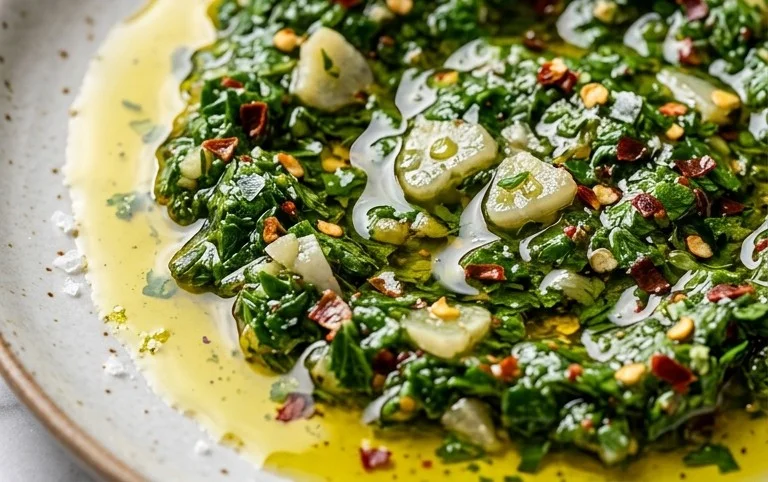
Conclusion:
So there you have it! This chimichurri sauce recipe is an absolute game-changer for your kitchen. It’s incredibly simple to whip up, bursting with fresh, vibrant flavors, and elevates even the most ordinary dishes to something truly special. The bright herbaceousness from the parsley and cilantro, coupled with the tangy vinegar and a hint of garlic and chili, creates a perfectly balanced sauce that’s both refreshing and satisfying. I truly encourage you to give this chimichurri sauce a try – you won’t regret it!
The versatility of this sauce is what truly makes it shine. While it’s a classic accompaniment to grilled meats like steak and chicken, it’s also phenomenal drizzled over roasted vegetables, tossed with pasta, used as a marinade, or even spread on sandwiches. Don’t be afraid to experiment! You can adjust the spice level to your preference by adding more or less red pepper flakes. For a different herbal profile, try swapping out some of the parsley for mint or oregano. This recipe is a fantastic foundation for your own delicious creations.
Frequently Asked Questions:
How long does chimichurri sauce last?
When stored in an airtight container in the refrigerator, this chimichurri sauce will stay fresh for about 5-7 days. The olive oil helps preserve it, but it’s best enjoyed within the first week for the most vibrant flavor.
Can I make this chimichurri sauce ahead of time?
Absolutely! In fact, I often find that the flavors meld and deepen even further if you make it a day in advance. Just ensure it’s tightly covered and refrigerated. Give it a good stir before serving.
What if I don’t have fresh parsley or cilantro?
While fresh herbs are definitely ideal for the brightest flavor, you can use dried herbs in a pinch. You’ll need to use significantly less dried herbs than fresh, typically about a third of the amount. For example, for 1 cup of fresh parsley, you might use 1/3 cup of dried parsley. However, the texture and intensity of flavor will be different.
Chimichurri Sauce Recipe
A vibrant and herbaceous Argentinian sauce, perfect for grilling or as a marinade.
Ingredients
-
1 cup fresh Italian flat-leaf parsley, leaves only, stems removed
-
1/4 cup fresh cilantro, leaves only, stems removed
-
1/4 cup fresh oregano, leaves only, stems removed
-
1/3 cup roughly chopped red onion
-
3 cloves garlic, peeled
-
1/2 teaspoon red pepper flakes
-
1/2 cup extra-virgin olive oil
-
1/4 cup red grape juice vinegar
-
3 tablespoons fresh lemon juice
-
1 teaspoon kosher salt
Instructions
-
Step 1
Finely chop the parsley, cilantro, and oregano. -
Step 2
In a food processor, combine the chopped herbs, red onion, garlic, and red pepper flakes. -
Step 3
Pulse until the mixture is finely minced but not a paste. -
Step 4
With the food processor running on low, slowly drizzle in the extra-virgin olive oil until incorporated. -
Step 5
Stir in the red grape juice vinegar, fresh lemon juice, and kosher salt. -
Step 6
Taste and adjust seasoning as needed. Let the sauce sit for at least 10 minutes to allow flavors to meld before serving.
Important Information
Nutrition Facts (Per Serving)
It is important to consider this information as approximate and not to use it as definitive health advice.
Allergy Information
Please check ingredients for potential allergens and consult a health professional if in doubt.