Easy Dango Recipe- Simple Sweet Japanese Skewers
This Easy Dango Recipe is your ticket to a delightful Japanese treat that’s as fun to make as it is to eat! Have you ever spotted those irresistibly chewy, perfectly round mochi balls, often skewered and drizzled with something sweet, and wondered how you could make them at home? Well, wonder no more! Dango are a beloved staple in Japan, cherished for their wonderfully soft texture and their versatility. They’re the perfect canvas for a variety of toppings, from sweet soy glaze to fruit sauces, making them a crowd-pleaser for any occasion. What truly sets this Easy Dango Recipe apart is its simplicity. You don’t need fancy equipment or obscure ingredients; just a few pantry staples and a little bit of love can transform your kitchen into a mini Japanese dessert shop. Get ready to impress yourself and your loved ones with these incredibly satisfying, homemade dango!
Why You’ll Love This Easy Dango Recipe
Perfectly Chewy, Delightfully Simple
Easy Dango Recipe
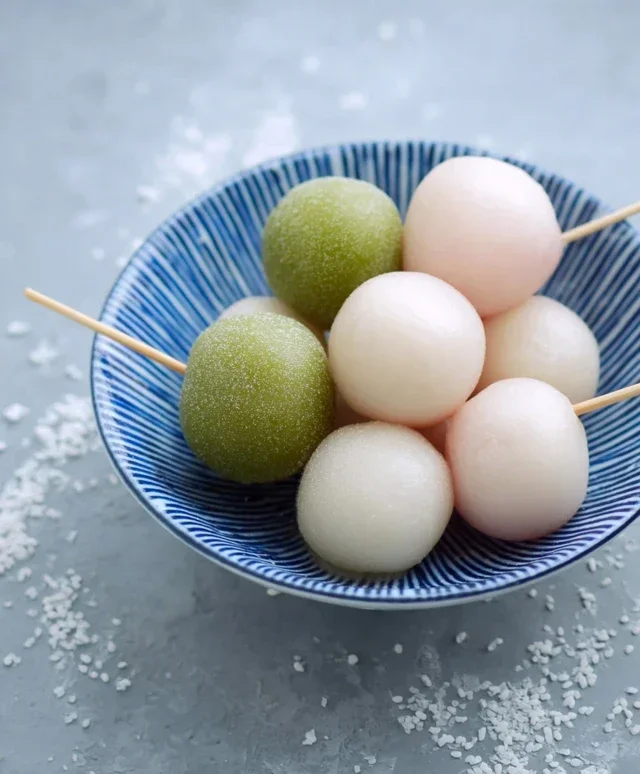
Dango, those delightful chewy rice dumplings, are a beloved Japanese treat. Traditionally served on skewers, they’re often enjoyed with a sweet glaze or as part of a festive dessert. While they might seem intimidating to make, I’m here to tell you that creating authentic and delicious dango at home is surprisingly simple! This recipe focuses on ease and accessibility, allowing you to whip up a batch of these wonderful treats with minimal fuss. We’ll be making three classic colors: plain white, vibrant green from matcha, and a pretty pink hue. Get ready to impress yourself and your loved ones with this easy dango recipe!
Ingredients:
Preparing the Doughs
The foundation of great dango lies in the rice flour mixture. Joshinko provides a slightly firmer texture, while Shiratamako gives the dango its characteristic chewy and soft bite. When combined, they create the perfect balance. For our colored versions, we’ll divide the dough and incorporate our vibrant additions.
Step 1: Combining the Dry Ingredients
In a large mixing bowl, combine the Joshinko and Shiratamako flours. If you’re opting for sweeter dango, add the powdered sugar to the flour mixture now. Whisk everything together thoroughly. This ensures that the sugars and flours are evenly distributed, which will lead to a more uniform dough texture and color. It’s a small step, but crucial for a consistent outcome.
Step 2: Gradually Adding Hot Water
Begin extract by pouring about 1 cup of the hot water into the flour mixture. Start mixing with a spoon or spatula. The heat of the water helps to gelatinize the starches in the rice flour, which is essential for creating that signature chewy texture. Continue adding the remaining hot water gradually, a little at a time, mixing as you go. You might not need all of the 1 1/3 cups of water, or you might need a tiny bit more. The goal is to form a shaggy, cohesive dough that isn’t too sticky. The consistency should be similar to a thick playdough. Once it starts coming together, it’s time to get your hands in there.
Step 3: Kneading the Dough
Once the dough is cool enough to handle, turn it out onto a clean, lightly floured surface (or you can continue kneading in the bowl). Knead the dough for about 5-7 minutes. This process develops the gluten-like structure in the rice flour, making the dango smooth and elastic. You’re looking for a dough that is soft, pliable, and no longer sticky. If the dough feels too dry and crum extractbly, add a tiny splash of warm water. If it feels too sticky, dust your hands and the surface with a little more Joshinko flour. It should feel smooth and springy to the touch.
Step 4: Dividing and Coloring the Dough
Now for the fun part! Divide the main dough into three roughly equal portions. Set aside one portion for plain white dango. For the green dango, take one portion and place it back in a small bowl. In a separate tiny bowl, mix the 1 teaspoon of matcha powder with 1 teaspoon of water to form a smooth paste. Add this matcha paste to your dough portion and knead it in thoroughly until the color is uniform. For the pink dango, take the last portion of dough and add 1 drop of pink food coloring. Knead until the color is evenly distributed. Be careful not to overwork the dough at this stage; gentle kneading is sufficient.
Shaping and Cooking the Dango
With our colorful doughs ready, it’s time to give them their iconic shape and cook them to perfection. This process is quick and easy, and the results are incredibly satisfying.
Step 5: Shaping the Dango Balls
Take small pieces of each colored dough (about the size of a small marble or a cherry tomato) and roll them between your palms to form smooth, round balls. Aim for uniformity in size so they cook evenly. You can place the rolled dango balls on a plate dusted with a little rice flour to prevent sticking. If you want to make larger dango, just increase the size of the dough pieces you’re rolling. Don’t worry if they aren’t perfectly spherical; a slight irregularity adds to their charm.
Step 6: Boiling the Dango
Bring a large pot of water to a rolling boil. Carefully drop the dango balls into the boiling water. Don’t overcrowd the pot; cook them in batches if necessary. You’ll know the dango are cooked when they float to the surface. Once they float, let them boil for another 1-2 minutes to ensure they are cooked through. This cooking method makes them delightfully chewy.
Step 7: Cooling and Serving
Using a slotted spoon, carefully remove the cooked dango from the boiling water and transfer them to a bowl of ice-cold water for a few seconds. This shocking step helps to stop the cooking process and firm up the dango, giving them a lovely texture. Drain them well. You can serve your dango as is, or thread them onto skewers. They are delicious with a drizzle of sweet soy glaze (mitarashi sauce), red bean paste (anko), or even a sprinkle of kinako (roasted soybean flour). Enjoy your homemade dango!
Conclusion:
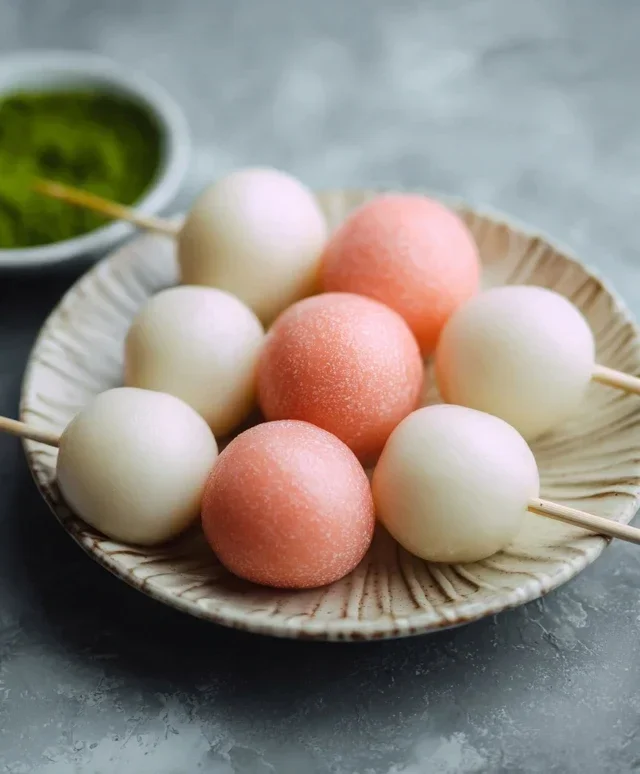
And there you have it – a super simple and incredibly satisfying Easy Dango Recipe that anyone can master! This recipe truly shines because it uses minimal ingredients and straightforward steps, proving that delicious homemade treats don’t need to be complicated. The slightly chewy, subtly sweet texture of the dango is simply delightful, making them a perfect light dessert or snack. I love serving my dango with a drizzle of sweet soy glaze (mitarashi dango) or alongside fresh fruit for a refreshing contrast. Don’t be afraid to get creative with your toppings! You could try a dusting of kinako (roasted soybean flour), a sprinkle of sesame seeds, or even a dollop of whipped cream for an extra touch of indulgence. I truly encourage you to give this recipe a try; you might be surprised at how easy and rewarding it is to make these traditional Japanese sweets right in your own kitchen. Happy dango making!
Frequently Asked Questions about Easy Dango:
Can I use a different type of flour for this Easy Dango Recipe?
While glutinous rice flour (also known as sweet rice flour or mochiko) is essential for achieving the signature chewy texture of dango, you can experiment with a small substitution if you’re in a pinch. Replacing a tiny portion (around 10-15%) with regular rice flour might slightly alter the texture, making it a touch less chewy. However, for the best and most authentic results, I highly recommend sticking to glutinous rice flour.
How should I store leftover dango?
Leftover dango are best enjoyed fresh, as they tend to firm up and become a little dry over time. If you do have leftovers, store them in an airtight container at room temperature for no more than a day. For longer storage, you can refrigerate them, but be aware they will become quite firm. Gently re-steaming or briefly microwaving them can help soften them up before serving again.
Easy Dango Recipe
A simple and delicious recipe for making traditional Japanese Dango, with options for coloring and sweetening.
Ingredients
-
{‘@type’: ‘Ingredient’, ‘name’: ‘Joshinko non-glutinous rice flour’, ‘quantity’: {‘value’: 1.33, ‘unitCode’: ‘cup’}, ‘measurement’: {‘value’: 150, ‘unitCode’: ‘g’}}
-
{‘@type’: ‘Ingredient’, ‘name’: ‘Shiratamako glutinous sweet rice flour’, ‘quantity’: {‘value’: 1.5, ‘unitCode’: ‘cup’}, ‘measurement’: {‘value’: 200, ‘unitCode’: ‘g’}}
-
{‘@type’: ‘Ingredient’, ‘name’: ‘Powdered sugar (optional)’, ‘quantity’: {‘value’: 0.75, ‘unitCode’: ‘cup’}, ‘measurement’: {‘value’: 75, ‘unitCode’: ‘g’}, ‘description’: ‘For added sweetness’}
-
{‘@type’: ‘Ingredient’, ‘name’: ‘Hot water’, ‘quantity’: {‘value’: 1.33, ‘unitCode’: ‘cup’}}
-
{‘@type’: ‘Ingredient’, ‘name’: ‘Matcha powder’, ‘quantity’: {‘value’: 1, ‘unitCode’: ‘teaspoon’}, ‘description’: ‘Mixed with 1 tsp water for green dango’}
-
{‘@type’: ‘Ingredient’, ‘name’: ‘Pink food coloring’, ‘quantity’: {‘value’: 1, ‘unitCode’: ‘drop’}, ‘description’: ‘For pink dango’}
Instructions
-
Step 1
In a large bowl, combine Joshinko and Shiratamako flours. If using, add the powdered sugar and mix well. -
Step 2
Gradually add the hot water to the flour mixture, stirring with a spoon or chopsticks until a shaggy dough forms. Be careful, the water is hot. -
Step 3
Knead the dough with your hands until it is smooth and elastic, about 5-7 minutes. If the dough is too sticky, add a little more Joshinko. If too dry, add a tiny bit more hot water. -
Step 4
Divide the dough into portions. For colored dango, incorporate the prepared matcha mixture or pink food coloring into separate portions of the dough until evenly colored. Leave one portion plain for white dango. -
Step 5
Roll each portion of dough into small balls, about 1 inch in diameter. You can also shape them into teardrops or other desired shapes. -
Step 6
Boil water in a pot. Carefully drop the dango balls into the boiling water. They are cooked when they float to the surface. -
Step 7
Once they float, let them cook for another 1-2 minutes. Remove the dango with a slotted spoon and transfer them to a bowl of cold water to stop the cooking process. -
Step 8
Drain the dango and serve immediately. Dango can be served plain, with a sweet dipping sauce like Mitarashi, or skewered.
Important Information
Nutrition Facts (Per Serving)
It is important to consider this information as approximate and not to use it as definitive health advice.
Allergy Information
Please check ingredients for potential allergens and consult a health professional if in doubt.