Nut-Free Pesto Recipe Delicious & Easy
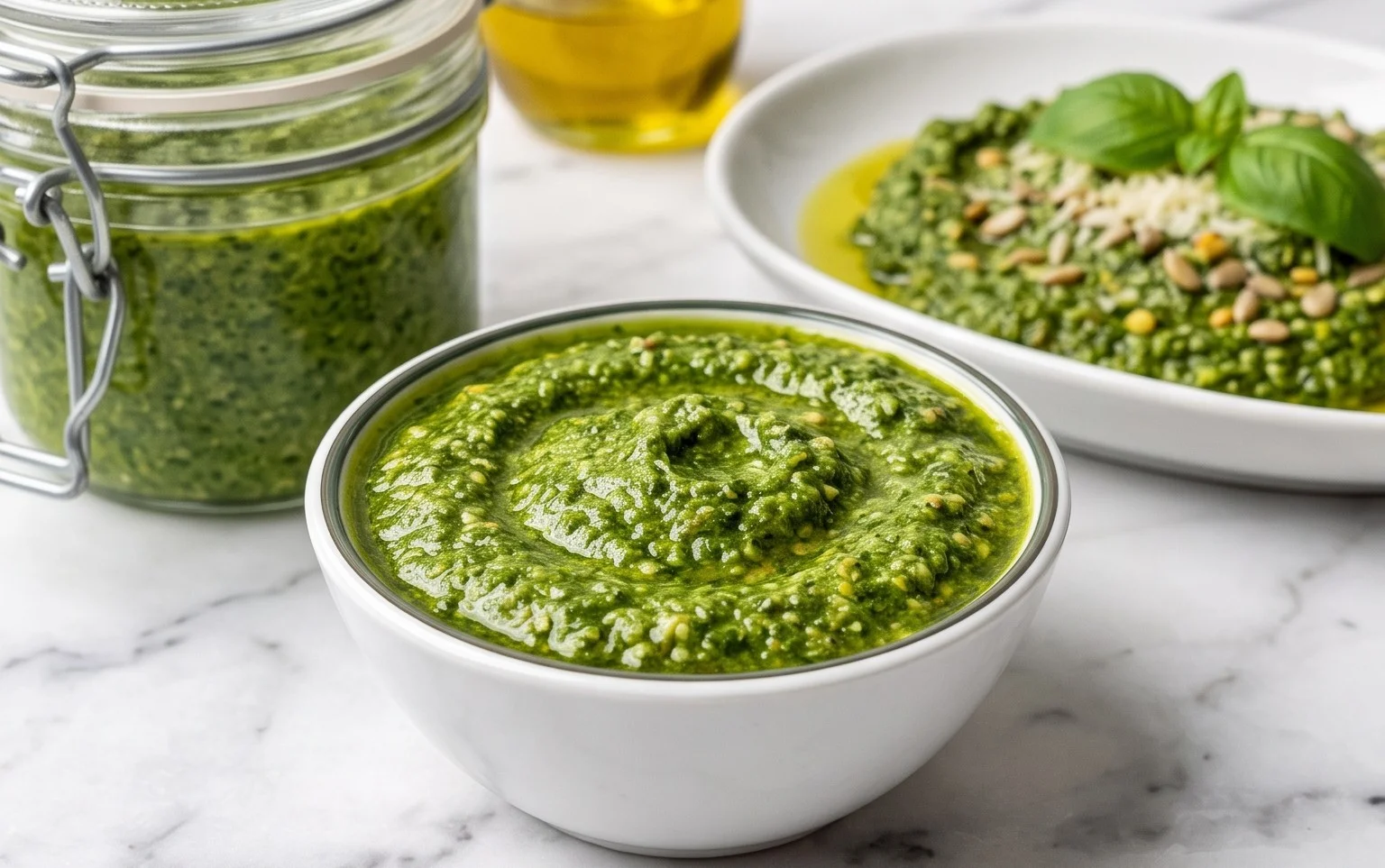
Nut Free Pesto opens up a world of vibrant flavor for everyone to enjoy, no matter their dietary needs. For so long, the rich, herbaceous goodness of pesto felt off-limits to those with nut allergies. But what if I told you that you can achieve that same incredible depth and zest, all while keeping your kitchen nut-free? That’s the magic we’re unlocking today. This isn’t just a substitute; it’s a revelation. We’re talking about a pesto that boasts the perfect balance of fresh basil, tangy Parmesan, zesty garlic, and that unmistakable brightness, all without a single nut in sight. It’s the ideal accompaniment to pasta, a dreamy spread for sandwiches, or even a delicious dip for fresh vegetables. Get ready to fall in love with pesto all over again, in a way that’s completely safe and utterly delicious!
Nut-Free Pesto: A Creamy, Flavorful Delight for Everyone
For many, pesto conjures up images of vibrant green, intensely flavorful sauces, often a staple in Italian cuisine. Traditionally, pesto relies on pine nuts for its signature creamy texture and nutty undertones. However, for those with nut allergies or simply looking for a delicious alternative, this nut-free pesto recipe is a game-changer. It delivers all the classic herbaceous goodness and satisfying richness without a hint of nuts. Whether you’re hosting a gathering with diverse dietary needs or simply want to expand your pesto repertoire, this recipe is sure to become a favorite. Its versatility is astounding – dollop it onto pasta, spread it on sandwiches, use it as a dip for vegetables, or swirl it into soups. Get ready to experience the magic of pesto, made accessible and utterly delicious for all!
Ingredients:
Crafting Your Nut-Free Pesto
Creating this delicious nut-free pesto is a straightforward and rewarding process. The key to a vibrant and flavorful pesto lies in the quality of your ingredients. I always recommend using the freshest basil you can find; it makes a noticeable difference in the final taste and aroma. When packing the basil into your measuring cup, be gentle but firm to ensure you get a good amount of leaves without crushing them excessively. This helps maintain their fresh, bright flavor. For the garlic, you can adjust the amount to your preference. I find two cloves to be a good starting point, offering a pleasant garlicky punch without being overpowering. If you love a stronger garlic flavor, feel free to add an extra clove!
Freshly grated Parmesan cheese is crucial here. Pre-shredded cheese often contains anti-caking agents that can affect the texture and flavor of your pesto. Grating it yourself ensures a smoother, more integrated sauce. As for the olive oil, a good quality extra virgin extract olive oil will impart the best flavor. I’ve specified 1/4 cup, but you might find you need a little more or less depending on your desired consistency. Pesto is forgiving, so don’t be afraid to adjust the oil until it reaches your perfect texture – some prefer it thicker, while others like it a bit looser. Finally, the salt and pepper are there to enhance all the other flavors. Always taste and adjust them at the end to suit your palate.
Step-by-Step Pesto Perfection
1. Prepare Your Basil: Begin extract by washing your fresh basil leaves thoroughly. Gently pat them dry with paper towels or use a salad spinner. It’s important to ensure the leaves are as dry as possible, as excess water can dilute the pesto’s flavor and affect its texture. You can remove the thicker stems from the basil leaves, but if they are very tender, you can leave them attached. The food processor will easily break them down.
2. Combine the Solid Ingredients: In the bowl of a food processor, combine the prepared basil leaves, peeled garlic cloves, and freshly grated Parmesan cheese. Pulse a few times until the ingredients are roughly chopped and begin extract to combine. You want to break everything down into smaller pieces before adding the liquid. This initial pulsing helps to create a good base for the emulsification process that will happen when you add the olive oil.
3. Emulsify with Olive Oil: With the food processor running on a low setting, slowly drizzle in the olive oil through the feed tube. Continue processing until the mixture is smooth and creamy. This is where the magic happens, transforming the chopped ingredients into a luscious sauce. If you prefer a thicker pesto, add the olive oil more gradually. If you desire a looser consistency, you can add a little more olive oil, a tablespoon at a time, until you reach your desired texture. Be careful not to over-process, as this can sometimes make the pesto oily. Aim for a vibrant, well-emulsified sauce.
4. Season and Taste: Once the pesto has reached your desired consistency, add the salt and pepper. Pulse a few more times to incorporate the seasonings evenly. Now comes the crucial tasting step. Dip a clean spoon into the pesto and taste it. Does it need a pinch more salt to bring out the flavors? Perhaps a tiny bit more pepper? This is your chance to fine-tune the seasoning to perfection. Remember that Parmesan cheese is salty, so adjust accordingly.
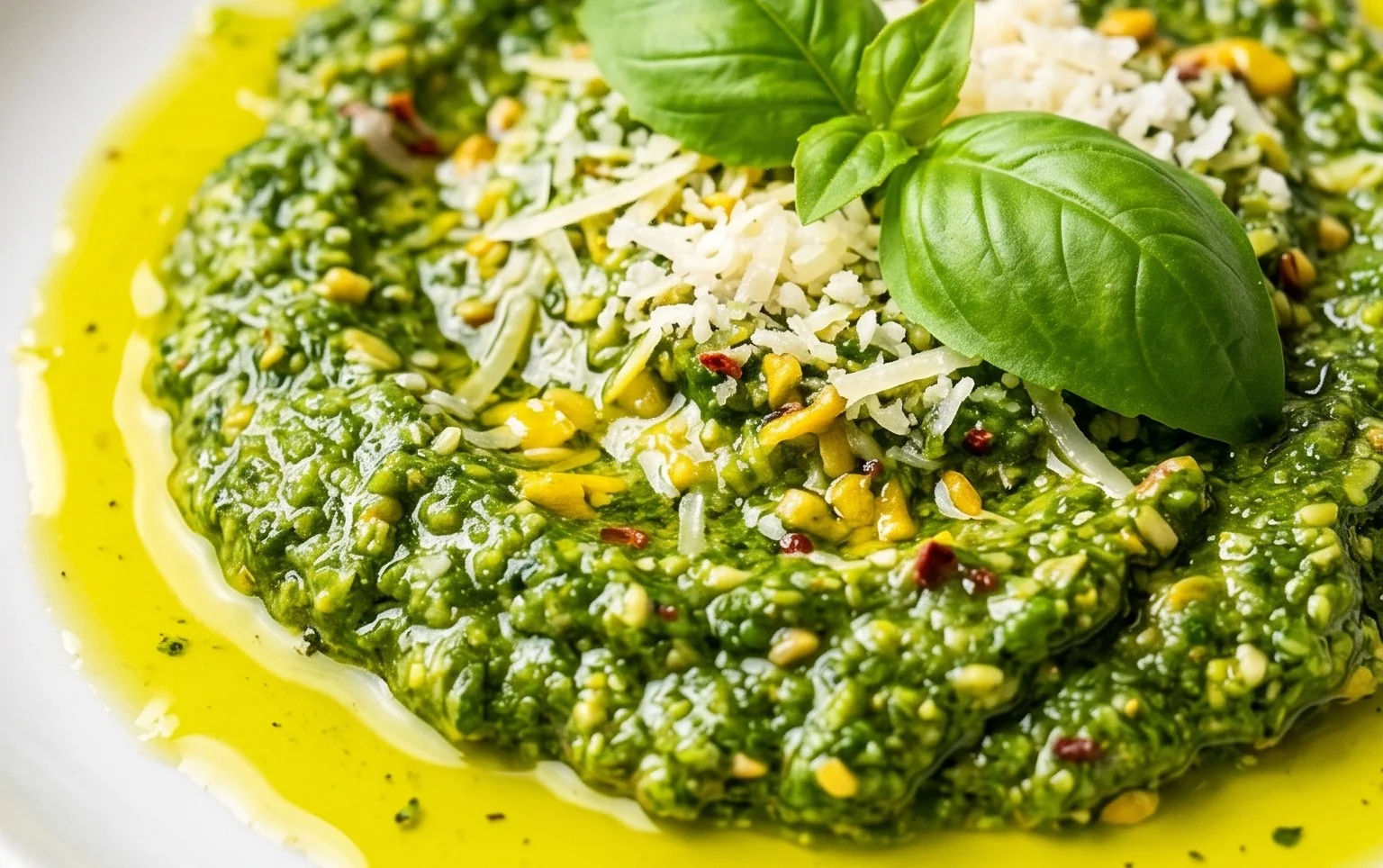
5. Final Touches and Storage: Once you are happy with the flavor and consistency, your nut-free pesto is ready to be enjoyed! Transfer the pesto to an airtight container. To preserve its vibrant green color and prevent oxidation, you can pour a thin layer of olive oil over the top of the pesto before sealing the container. This creates a barrier that helps keep the pesto fresh. Properly stored in the refrigerator, this nut-free pesto will keep for about 5-7 days. For longer storage, you can freeze it in ice cube trays and then transfer the frozen pesto cubes to a freezer-safe bag. This makes it easy to grab a single serving whenever the craving strikes!
Conclusion:
I hope you’ve enjoyed exploring this delicious nut-free pesto recipe! It’s fantastic because it delivers all the vibrant, herbaceous flavor of traditional pesto without any of the common allergens. This makes it an incredibly versatile and inclusive option for everyone to enjoy. I’ve found it to be a lifesaver for gatherings where allergies are a concern, and honestly, it’s just plain tasty!
This nut-free pesto is wonderfully adaptable. Serve it tossed with your favorite pasta, spread it on sandwiches or wraps, dollop it onto roasted vegetables, or use it as a base for a pizza. The possibilities are truly endless. For a little variation, don’t hesitate to experiment with different fresh herbs like mint or parsley alongside the basil. You could also add a pinch of red pepper flakes for a touch of heat. I highly encourage you to give this nut-free pesto a try; I’m confident you’ll love its fresh, bright taste and how easy it is to whip up!
Frequently Asked Questions:
Can I freeze this nut-free pesto?
Absolutely! This nut-free pesto freezes beautifully. Spoon it into ice cube trays for single-serving portions, or transfer it to an airtight container or freezer bag. It should stay fresh in the freezer for up to 3-4 months. Thaw it overnight in the refrigerator before using.
What can I use instead of pine nuts in pesto if I wanted to add some crunch?
While this recipe is nut-free, if you wanted to add a subtle crunch (and don’t have a pine nut allergy), sunflower seeds or pumpkin seeds (pepitas) are excellent alternatives. Toasting them beforehand will enhance their flavor. However, for a truly nut-free experience, omitting them entirely is perfectly fine and still yields a delicious result.
Nut Free Pesto
A classic pesto recipe made without nuts, perfect for those with allergies or for a lighter take.
Ingredients
-
2 cups fresh basil
-
2 garlic cloves
-
1/2 cup freshly grated Parmesan cheese
-
1/4 cup olive oil
-
1/4 teaspoon salt
-
1/8 teaspoon pepper
Instructions
-
Step 1
Wash and thoroughly dry the fresh basil leaves. This is crucial for preventing a watery pesto. -
Step 2
Peel and mince the garlic cloves. You can also leave them whole if you prefer a milder garlic flavor. -
Step 3
In a food processor or blender, combine the basil, garlic, and Parmesan cheese. -
Step 4
Pulse the ingredients until they are roughly chopped. -
Step 5
With the food processor running, slowly drizzle in the olive oil until the pesto is smooth and well combined. -
Step 6
Season with salt and pepper to taste. Pulse a few more times to incorporate the seasonings.
Important Information
Nutrition Facts (Per Serving)
It is important to consider this information as approximate and not to use it as definitive health advice.
Allergy Information
Please check ingredients for potential allergens and consult a health professional if in doubt.